
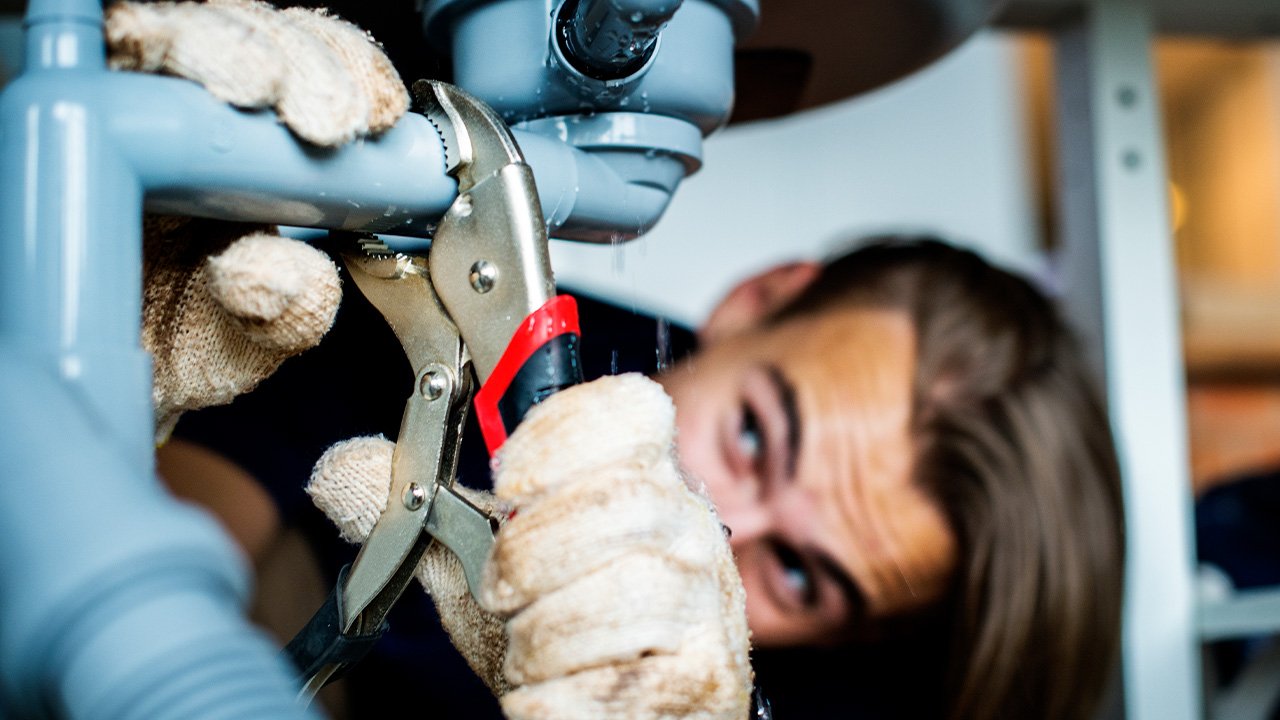
Many homeowners assume property value is only affected by major damage or large-scale renovations.
But in reality, some of the biggest impacts on a home’s long-term value come from smaller issues that slowly build up over time.
What starts as a minor inconvenience today can eventually turn into expensive repairs, buyer concerns, or reduced resale appeal later.
The challenge is that these problems often develop gradually — making them easy to ignore until they become difficult and costly to fix.
Small Problems Often Signal Bigger Maintenance Issues
Homebuyers today are paying closer attention to overall property condition, not just appearance.
Even minor signs of neglect can raise concerns about how well a home has been maintained over the years.
Some commonly overlooked issues include:
- Small plumbing leaks
- Cracked caulking around sinks or showers
- Water stains on ceilings
- Worn flooring
- Drafty windows
- Peeling paint
- Outdated lighting
- Poor exterior drainage
- Minor roof wear
- Aging HVAC systems
While these may seem cosmetic or manageable at first, they can slowly affect both functionality and long-term property appeal.
Deferred Maintenance Can Become Expensive
One reason small home problems become costly is because homeowners often delay repairs until the issue becomes unavoidable.
For example:
A minor leak behind a wall may eventually lead to mold, damaged drywall, or flooring replacement.
Poor drainage around a property can slowly affect foundations or landscaping.
An aging roof may reduce buyer confidence even before visible leaks appear.
Over time, deferred maintenance can create larger financial burdens than addressing problems earlier.
Buyers Often Notice Signs of Neglect Quickly
Even if buyers cannot identify technical issues immediately, they often notice when a home feels poorly maintained.
Simple details influence perception:
- Condition of walls and flooring
- Outdated fixtures
- Uneven repairs
- Exterior appearance
- Storage functionality
- Lighting quality
These factors shape how buyers emotionally respond to a property during showings.
A home does not need to be fully renovated to feel valuable — but consistent upkeep matters significantly.
Strategic Improvements Help Preserve Long-Term Value
Many homeowners today are focusing less on luxury upgrades and more on maintaining strong long-term property condition.
Sometimes the most valuable improvements involve:
- Updating worn finishes
- Improving energy efficiency
- Fixing moisture issues early
- Modernizing outdated systems
- Improving curb appeal
- Addressing functional layout concerns
These improvements can help preserve both comfort and long-term resale value over time.
Planning Ahead Matters More Than Waiting
One of the smartest things homeowners can do is address smaller concerns before they become major renovation projects.
Whether preparing for future resale, improving everyday living, or protecting long-term investment value, proactive maintenance usually costs far less than reactive repairs.
At 629, we believe homeowners make stronger decisions when they understand how small issues today can affect bigger financial outcomes tomorrow. From renovation guidance to property planning and financing support, having the right team can help homeowners approach upgrades more strategically.
- 629-777-TEAM
- 629.company